

Bismillahir Rahmanir Rahim
Dear reader! Assalamu Alaikum wa Rahmatullah. how are you all Hope all are well by God's grace. I am also fine with your prayers and Allah's infinite mercy. Today's discussion is on " Anjuman Class: A Meaningful Approach to Practical Learning"
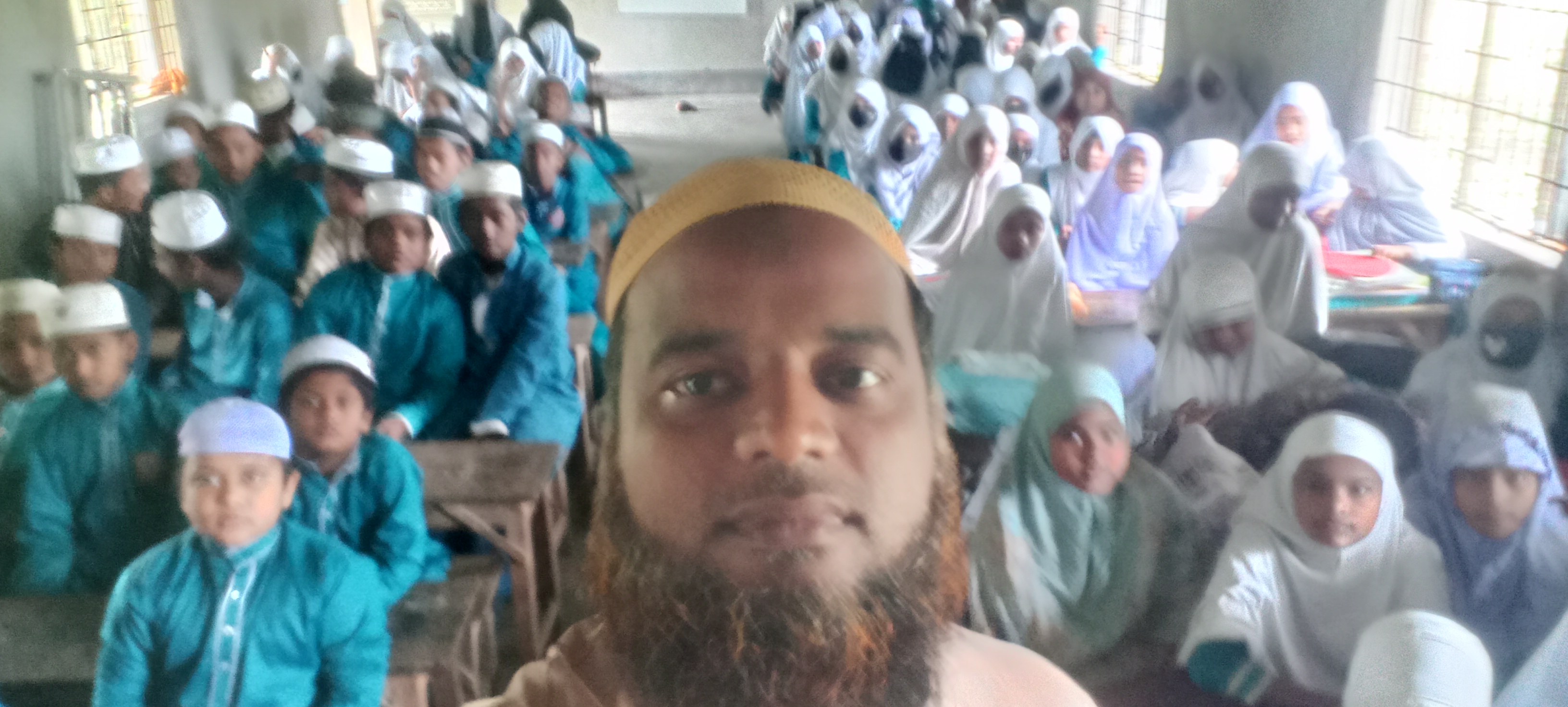
Education cannot reach its full potential if it remains confined to the pages of books. True education is that which connects directly with a person’s daily life, behavior, and moral development. In the madrasa education system, one of the most important components of this practical learning is the “Anjuman” class. Since yesterday, Saturday, was a half-school day in our madrasa, we arranged a special Anjuman class today. This session was not just a routine lesson; rather, it served as an effective exercise in preparing students for real-life practice and is considered part of practical learning.
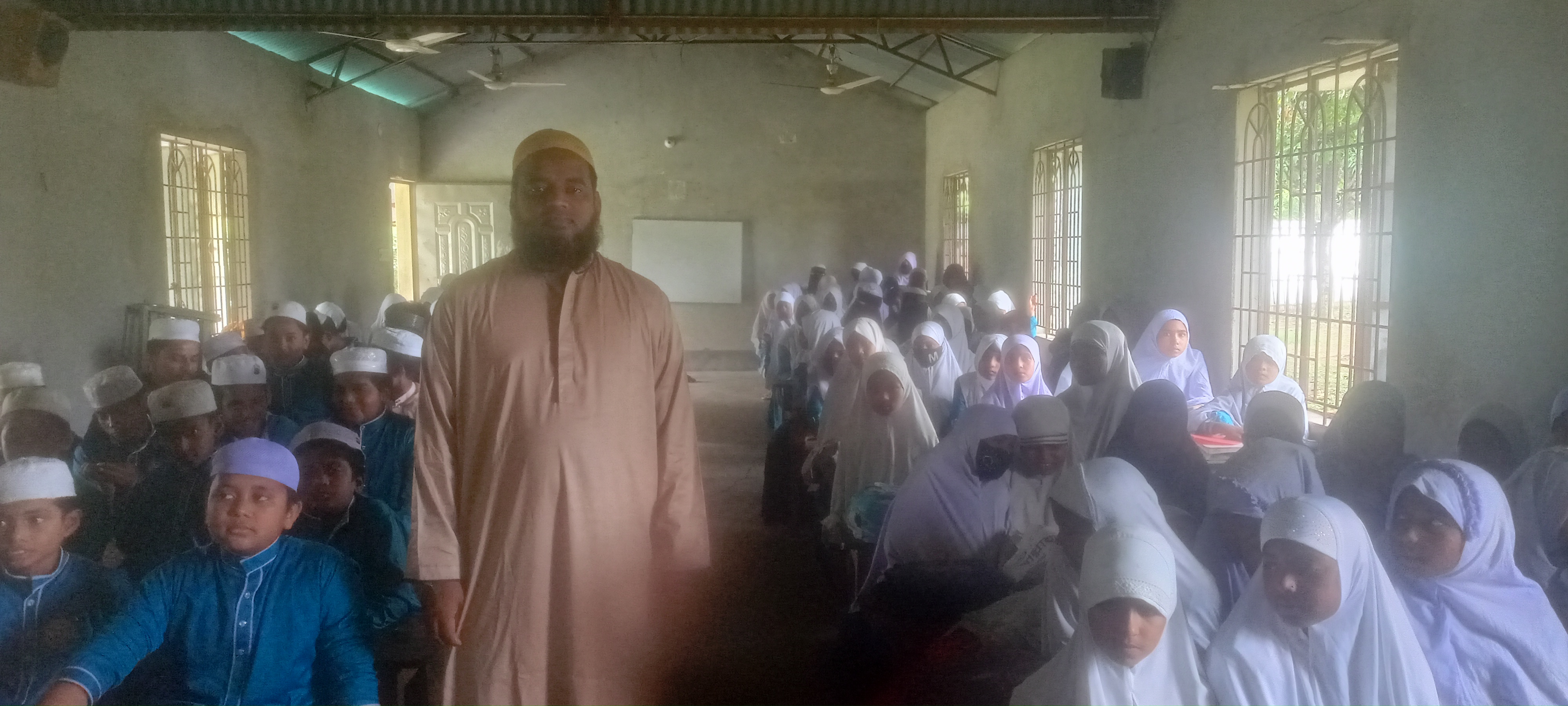
The main objective of the Anjuman class is to teach students the fundamental practices of Islam through hands-on experience. In this class, students learn supplications (duas), kalam, prayer (salah), recitation of the Qur’an, manners, and other essential aspects in a practical way. While these topics are often taught theoretically in regular classes, the Anjuman class provides an opportunity to apply them in real-life situations. As a result, students not only gain knowledge but also learn how to implement it in their daily lives.
One of the key features of this class is its participatory nature. Every student is required to take an active role. Some recite duas, some demonstrate the steps of prayer, and others perform Qur’an recitation. This approach helps build confidence among students and gives them opportunities to develop leadership skills. Often, students who feel shy or hesitant in regular classes find a platform here to express their abilities more freely.
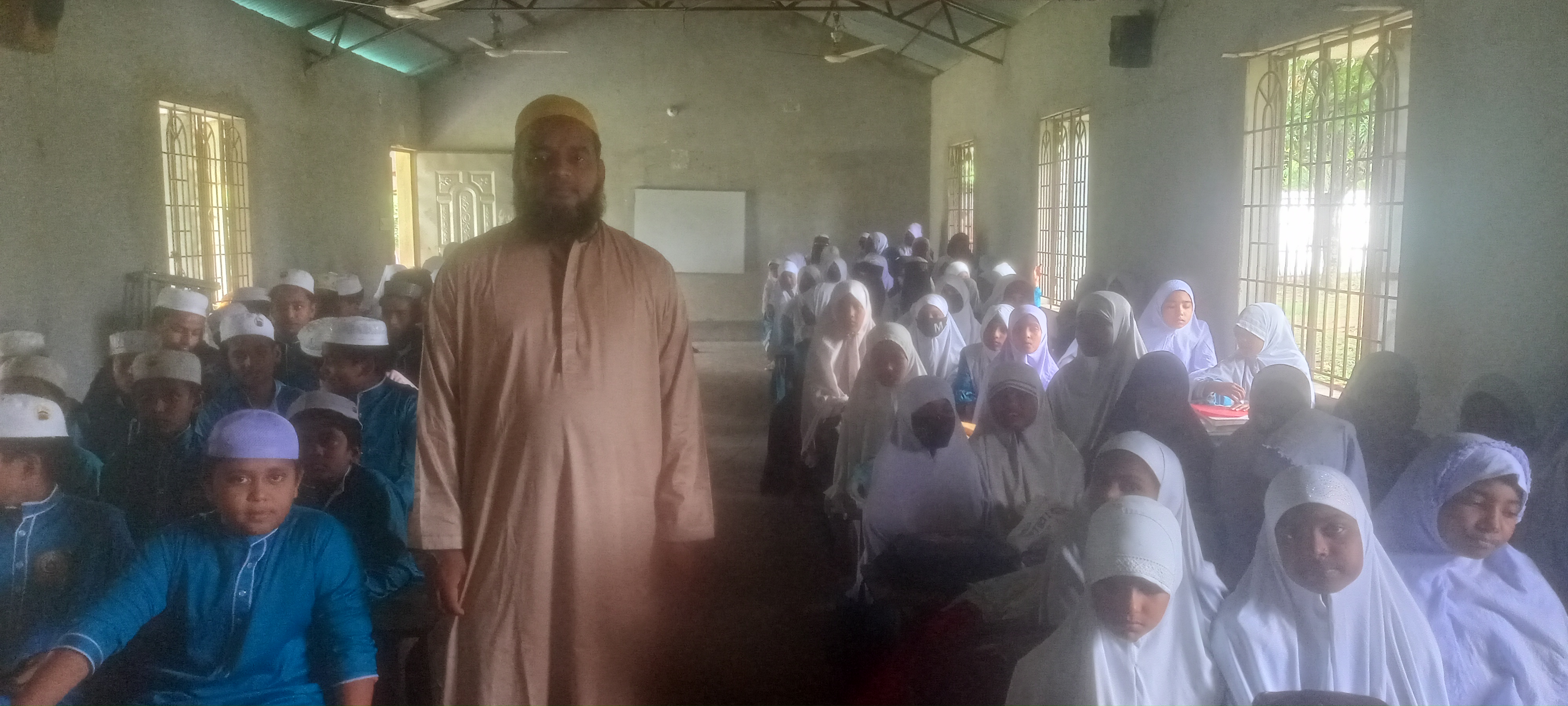
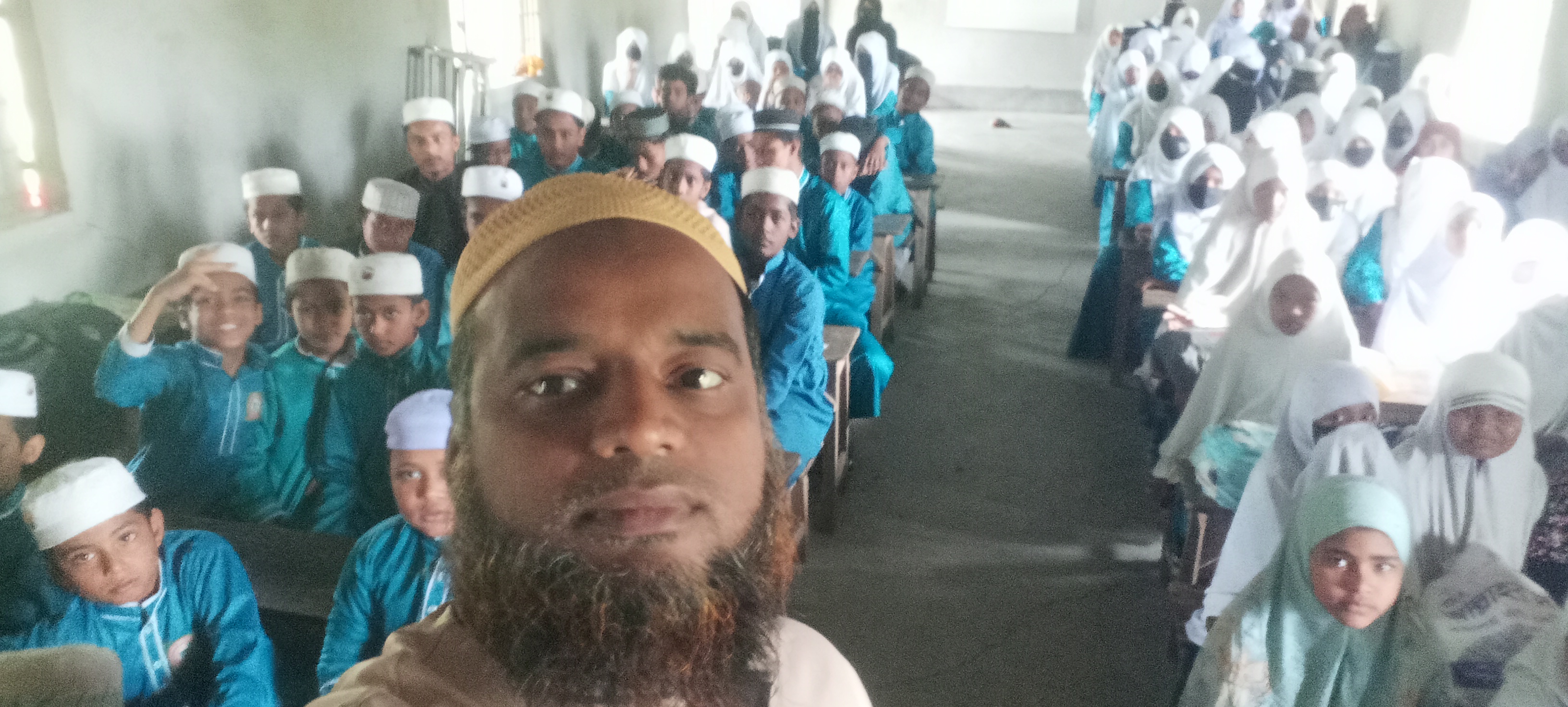
Teaching prayer is one of the most important components of the Anjuman class. Students are not only taught the rules of prayer theoretically but are also trained to perform it correctly in practice. Every aspect—such as bowing (ruku), prostration (sujood), and recitation (qirat)—is demonstrated and practiced thoroughly so that students can perform their daily prayers properly. Similarly, in learning duas and kalam, emphasis is placed on correct pronunciation, understanding of meaning, and proper application.
In addition, the Anjuman class plays a significant role in shaping students’ character and moral values. It is not limited to religious practices alone; it also teaches discipline, respect, responsibility, and cooperation. Students learn to help one another, accept and correct mistakes, and strive for self-improvement. Such values contribute to their development as honest and responsible individuals in the future.
Another important aspect of this class is the opportunity for direct observation and correction by teachers. In regular classes, small mistakes may often go unnoticed, but in the Anjuman class, teachers can closely monitor each student’s performance and provide immediate feedback. This helps students quickly learn the correct methods and prevents the formation of incorrect habits.
The Anjuman class is beneficial not only for students but also for teachers. It allows teachers to evaluate the practical skills of students and refine their own teaching methods accordingly. In this way, it becomes a two-way learning process where both teachers and students benefit.
Today’s session was conducted in a well-organized and lively manner. All students participated enthusiastically and tried their best to perform well. The overall atmosphere was filled with sincerity and motivation. Such arrangements increase students’ interest in learning and make them more responsible.
In today’s world, where education is often limited to exam results, practical initiatives like the Anjuman class are extremely important. It not only prepares students for academic success but also helps them grow into ideal human beings. It ensures that they are able to make the right decisions in life and follow the teachings of Islam in their daily conduct.
In conclusion, the Anjuman class is an essential part of madrasa education. For every student, it is not just a class but a real-life experience that guides them toward the right path. Therefore, giving proper importance to this class and organizing it regularly is very important. It is hoped that such activities will continue in the future for the overall development of students.

Thanks for reading today's article.

Device Used: Realme C25s
Camera: 48mp camera
Location: Bangladesh
Short by: @hayat90

 0.000 SRY